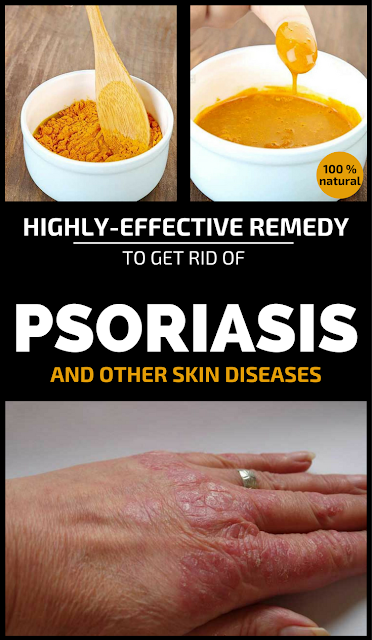
Psoriasis is an inflammatory disease of the skin that is
usually chronic and which affects approximately 1-2% of the world’s
population. It affects equally men and women, even though women are
generally affected earlier than men. Also light-skinned individuals are
more prone to this condition compared to those with darker skin.
The manifestations of psoriasis: The
disorder manifests in the form of erythematous patches, covered with
dry whitish scales that are sometimes associated with itching and
burning. The psoriatic lesions may affect the whole body, but are more
often located at the elbows, knees, scalp and hands.
Risk
factors and triggers: The cause of the condition is not entirely known,
but it is estimated that there are risk factors that may predispose a
person to the development of the disease. These risk factors include:
- Genetic predisposition
- Infections
- Lifestyle choices
- The presence of other diseases
Genetic
predisposition – Approximately 33% of cases appear to people who have
family members that suffering from asthma, suggesting the presence of an
inherited genetic component of the disease.
Infectious
diseases – Some people become ill with psoriasis after a viral or
bacterial infection. For example, the streptococcus infection can
sometimes cause the onset of psoriasis. It is believed that an excessive
immune system response to certain infections can also cause this skin
disease in susceptible individuals.
Lifestyle –
Many studies suggest that people with a healthy lifestyle have a lower
tendency to develop psoriasis. Some authors believe that the abuse of
alcohol and tobacco smoke can trigger the development of the condition.
Additionally, obesity is considered a risk factor.
The presence of other diseases – It has been noted that people with Crohn’s disease, ulcerative colitis or metabolic problems frequently develop the disease.
How to treat psoriasis:
In
the treatment of psoriasis, nutrition plays a fundamental role. It is
very important to maintain the acid-alkaline balance, with a preference
towards alkalinity rather than acidity. The pH of the body should go
from 7.3 to 7.5, to make your immune system more efficient. Your daily
diet should consist of 80% alkaline foods and 20% acidic foods, which
will not only improve psoriasis, but also make the joints become more
flexible and less painful. A vegetarian diet, low in animal protein,
rich in fruits and vegetables and high in fiber can be very effective
against this condition. More specifically, you should consume foods such
as green beans, cauliflower, carrots, lettuce, celery, cabbage, apples
and olive oil. Flax seed oil and organic, cold-pressed evening primrose
oil can also be very helpful.