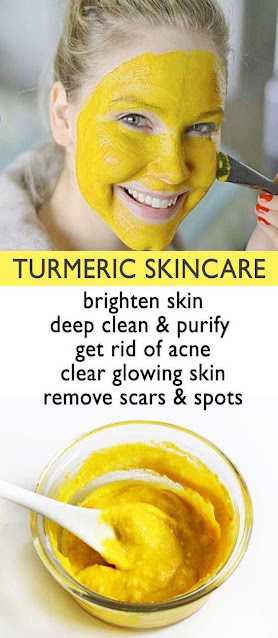
The bright yellow-orange spice known as turmeric has long been used in traditional Ayurvedic and Chinese medicine. It is now known on a global scale for its many health advantages. While most people are familiar with turmeric as a component of curries and other foods, it also offers remarkable skin-care advantages. The turmeric face mask is a simple, all-natural skincare method. In this article, we’ll examine in detail the advantages of turmeric face masks and provide instructions for preparing your own.
The Benefits of Turmeric Face Masks
- Anti-Inflammatory Properties: The active ingredient
in turmeric, curcumin, is known for its potent anti-inflammatory
effects. When applied to the skin, turmeric can help reduce redness and
soothe irritated skin. - Natural Antiseptic: Turmeric has natural antiseptic
properties, which can prevent bacterial growth on the skin. This makes
it beneficial for acne-prone skin and minor wounds. - Brightens Skin: Over time, turmeric face masks can
help fade dark spots, blemishes, and improve overall skin radiance,
resulting in a brighter complexion. - Anti-Aging: The antioxidants present in turmeric
combat free radicals that cause skin aging. With regular use, it can
reduce the appearance of fine lines and wrinkles. - Exfoliation: A turmeric face mask can gently
exfoliate the skin, removing dead skin cells and leaving your skin
feeling smooth and rejuvenated. - Controls Oily Skin: Turmeric can regulate the
production of sebum, an oily substance produced by the sebaceous glands,
making it beneficial for those with oily skin.
How to Make Your Own Turmeric Face Mask
Ingredients:
- 1 teaspoon of turmeric powder
- 2 tablespoons of plain yogurt (can be replaced with honey for a vegan alternative)
- 1 teaspoon of lemon juice (optional, for added brightening)
- A pinch of gram flour (optional, for added exfoliation)
Instructions:
- Preparation: Make sure your face is clean and free
of makeup. Tie your hair back and wear clothes that you don’t mind
getting stained, as turmeric can leave yellow stains. - Mixing: In a bowl, combine the turmeric powder with
yogurt to form a paste. If the mixture is too thick, you can add a bit
more yogurt. Add lemon juice if you want a brightening effect. If you
decide to use gram flour, include it in this step. - Application: Using your fingers or a brush, apply
the mask evenly across your face, avoiding the eye area. Let the mask
sit for about 15-20 minutes. - Removal: Rinse off the mask using lukewarm water.
Gently pat your face dry with a soft towel. If your skin appears a bit
yellow after removal (a common occurrence with turmeric masks), use a
gentle face cleanser to get rid of the residue. - Moisturize: Follow up with your favorite moisturizer to keep your skin hydrated.
A Few Tips:
- If you have sensitive skin, always conduct a patch test before applying a new product or ingredient to your face.
- It’s best to use organic turmeric powder for facial masks to avoid any pesticides or chemicals.
- Limit the use of the mask to once or twice a week to prevent over-exfoliation or irritation.
Turmeric isn’t just for curries and lattes; it’s a versatile spice
with numerous skincare benefits. A turmeric face mask is an affordable,
natural, and effective way to achieve glowing skin. Whether you’re
aiming to reduce inflammation, brighten your complexion, or exfoliate,
turmeric has got you covered. Give it a try and let nature’s golden
spice work its magic on your skin!
Deep Dive into Turmeric’s Properties
- Curcumin’s Power: Turmeric owes most of its skin
benefits to curcumin. Apart from its anti-inflammatory properties,
curcumin is also an antioxidant, which means it fights free radicals –
unstable atoms that can damage cells, causing illness and aging. - Enhanced Skin Elasticity: Turmeric boosts the
production of collagen, a critical protein for skin elasticity. As we
age, collagen production slows down, leading to sagging skin and
wrinkles. By boosting collagen production, turmeric aids in maintaining
youthful skin.
Potential Concerns with Turmeric Face Masks
- Skin Staining: As noted earlier, turmeric can stain
the skin a yellowish hue. If you’re planning on heading out after using
the mask, ensure you have ample time to properly cleanse any lingering
color from your face. - Possible Allergies: Although rare, some people
might be allergic to turmeric when applied topically. Always conduct a
patch test, applying a small amount of the mask mixture to the inner
wrist or elbow and waiting for 24 hours to see if any reaction occurs.
Advanced Tips for Crafting the Perfect Turmeric Face Mask Experience
- Choose the Right Turmeric: While there are many
types of turmeric powders available, opt for organic, high-quality
turmeric. The purer the turmeric, the more potent and beneficial it will
be for your skin. - Personalize Your Mask: Depending on your skin type and concerns, you can customize your mask. For dry skin, adding a bit of coconut oil or olive oil can provide added moisture. For additional acne-fighting properties, consider a few drops of tea tree oil.
- Enhance Relaxation: While the mask works its magic,
play some calming music, lie down, and place cucumber slices over your
eyes. This not only relaxes your eyes but also turns your turmeric face
mask session into a mini spa experience. - Post-Mask Care: After washing off the mask,
consider applying a rose water toner to soothe the skin further. Follow
it up with a hydrating serum and your favorite moisturizer. If it’s
daytime, don’t forget sunscreen as turmeric can make your skin more
sensitive to the sun.
Harnessing the power of nature, a turmeric face mask serves as a
testament to the timeless beauty secrets rooted in ancient cultures.
With its myriad benefits, it’s no wonder that this golden spice has been
revered for centuries. When you integrate turmeric into your skincare
regimen, you’re not only nourishing your skin with potent botanicals but
also connecting with age-old traditions that prioritize natural
wellness and beauty. Embrace this golden gift from nature, and let your
skin glow!