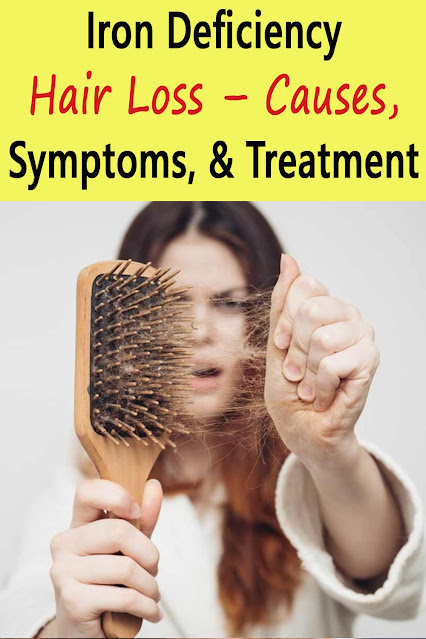
Iron deficiency is a common nutritional deficiency that can lead to various health issues, including hair loss. When your body lacks sufficient iron, it struggles to produce hemoglobin, a protein in red blood cells that carries oxygen to tissues and organs, including the scalp and hair follicles. This deficiency can disrupt the hair growth cycle, leading to excessive shedding and thinning of hair. Understanding the causes, symptoms, and treatment options for iron deficiency hair loss is crucial for maintaining healthy hair and overall well-being.
Causes of Iron Deficiency:
Iron deficiency can occur due to several reasons, including:
-
Inadequate Dietary Intake: Not consuming enough iron-rich foods such as red meat, poultry, fish, beans, lentils, and leafy green vegetables.
-
Poor Absorption: Conditions like celiac disease, inflammatory bowel disease (IBD), or gastric bypass surgery can impair iron absorption from food.
-
Blood Loss: Chronic bleeding from conditions like heavy menstrual periods, gastrointestinal ulcers, or frequent blood donation can lead to iron deficiency.
-
Increased Needs: Pregnancy, adolescence, or intense physical activity may increase the body’s iron requirements, leading to deficiency if not adequately met.
Symptoms of Iron Deficiency Hair Loss:
Identifying iron deficiency early can prevent complications like hair loss. Common symptoms include:
-
Increased Hair Shedding: Noticeable thinning of hair and more hair loss than usual, especially when washing or brushing.
-
Pale Skin: Iron deficiency can lead to anemia, causing pale skin and fatigue.
-
Brittle Nails: Nails may become brittle, fragile, or develop ridges.
-
Fatigue: Feeling tired or weak, even with sufficient rest, due to reduced oxygen delivery to tissues.
-
Shortness of Breath: Particularly during physical activities, as the body struggles to supply enough oxygen.
-
Headaches: Frequent headaches or dizziness can occur due to reduced oxygen supply to the brain.
Treatment Options:
-
Dietary Changes: Increase your intake of iron-rich foods such as lean meats, fish, poultry, beans, lentils, tofu, spinach, and iron-fortified cereals.
-
Iron Supplements: If dietary changes alone are insufficient, your doctor may recommend iron supplements. These should be taken as prescribed to avoid side effects like constipation or stomach upset.
-
Vitamin C: Consuming foods rich in vitamin C (e.g., citrus fruits, strawberries, bell peppers) can enhance iron absorption when eaten with iron-rich foods or supplements.
-
Avoiding Iron Blockers: Certain substances like coffee, tea, and calcium supplements can inhibit iron absorption. Avoid consuming these around mealtimes or when taking iron supplements.
-
Medical Evaluation: If you suspect iron deficiency, consult a healthcare professional for blood tests to confirm the diagnosis and determine the appropriate treatment plan.
Prevention:
-
Balanced Diet: Incorporate a variety of iron-rich foods into your diet regularly.
-
Regular Monitoring: Periodic blood tests can help monitor iron levels, especially for individuals at risk of deficiency.
-
Address Underlying Conditions: Treat conditions that may contribute to iron deficiency, such as gastrointestinal disorders or heavy menstrual bleeding.