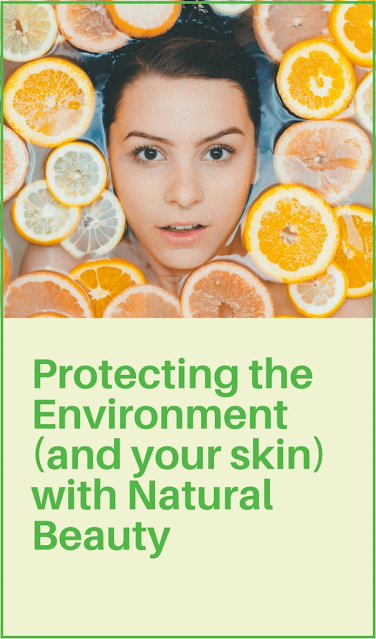
With ultra gentle plant-based formulas that are kind on sensitive skin and beautiful scents of essential oils, organic skin care is the perfect way to look after yourself while protecting the environment.
Whether you’re buying your beauty products off the shelf, or want to
grow them yourself, we’ve got you covered in this post. Keep reading for
our top tips to guide your natural beauty choices:
5 Simple steps to natural beauty products
1. Avoid products that contain Triclosan, often toothpastes and hand washes
When washed down the drain, it can react with sunlight to form
dioxins which accumulate in the environment. Triclosan has been found in
sediment dredged up from over 30 years ago. Look for natural
antimicrobial and antiseptic action from ingredients such as Tea Tree
and Propolis.
2. Choose beauty products with a high percentage of organic ingredients
Pesticides are by their very nature destructive to the environment, even if they are supposed to be targeted. Unfortunately, pesticides
can have additional impact upon that for which they are intended and
they have been implicated in all sorts of health issues, as well as the severely declining bee population. Organic ingredients are grown without the use of these potentially harmful chemicals.
3. Say no to petrochemicals in your beauty products
It isn’t good for your skin and it isn’t good for the environment.
Petroleum-based ingredients have the effect of forming a clingfilm-like
barrier to the skin that stops the pores from breathing and releasing
toxins.
Of course, as oil is a non-renewable resource, it works in the
environment’s favour if we reduce our use of petrochemicals whenever
possible.
4. Choose certified organic beauty products where possible
Organic certification for ingredients means that plants must be
managed sustainably so as not to harm the natural flora and fauna of the
area. In the UK, for example, organisations such as The Soil
Association, the Organic Food Federation and EcoCert are the bodies that
issue such certifications.
5. Avoid Phthalates
Phthalates are commonly found in beauty product packaging and may
leach into the product. Phthalates are known to be endocrine disruptors.
What this means is that evidence has been found that they can cause male fish to show feminised physical characteristics. There is considerable concern amongst the public in the use of phthalates in products such as babies’ bottles and dummies.
If the idea of scouring the beauty counter for names of chemicals to
avoid doesn’t sound appealing for you, there are other more natural
solutions:
The best natural alternatives to cosmetic products

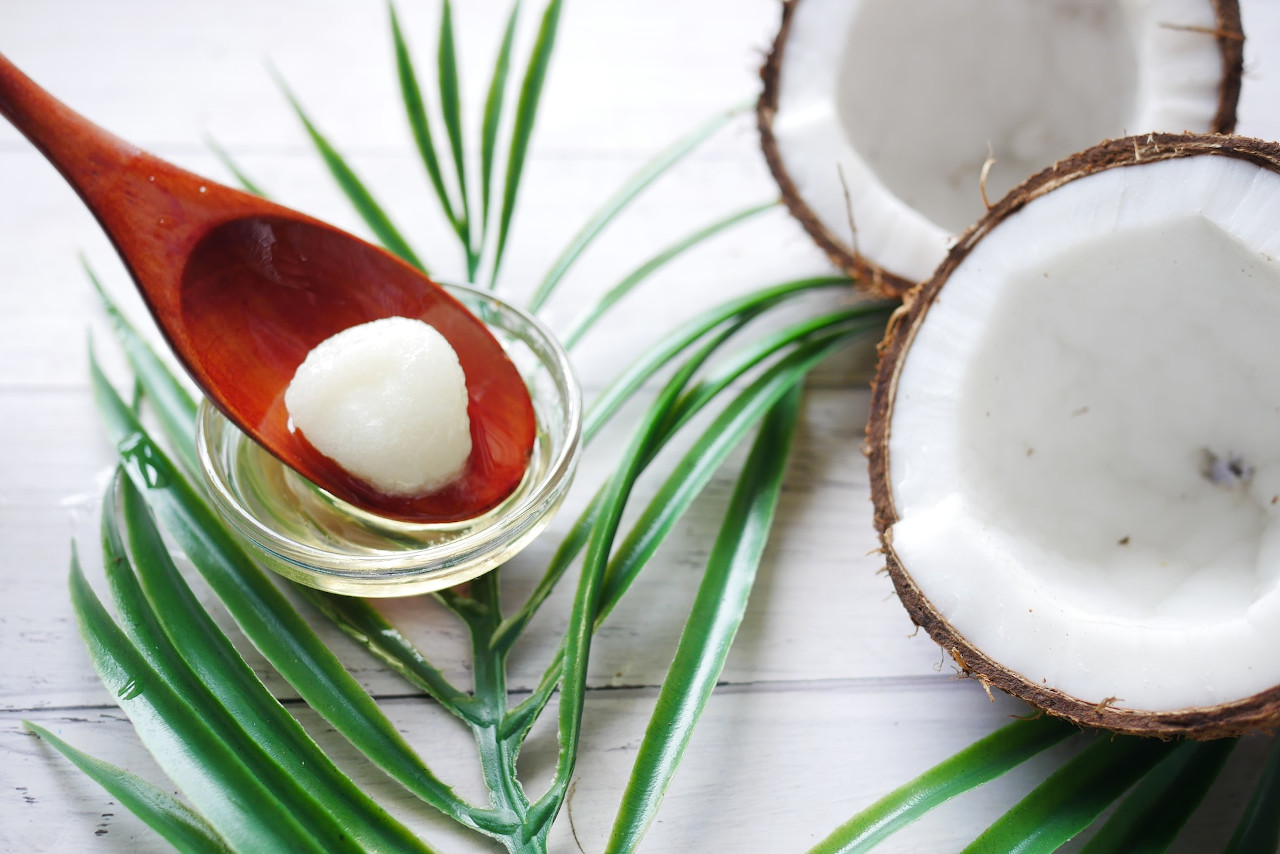
- Coconut Oil: Instead of applying various lotions on
your body, you can choose coconut oil which will keep your skin smooth.
They are naturally anti-bacterial and it will not cause any breakouts.
This oil easily penetrates through the skin and prevents wrinkles on
your skin. For specific kinds of skin, you can combine coconut oil with
other herbs, oil or butter. - Lemon and milk: Many women use various conditioners
on their hair for making it soft and shiny. But the toxic ingredients
in conditioners will damage hair and result in breakage. The natural
alternative for a conditioner is the combination of lemon and milk which
keeps your hair silky and nourishes your scalp for a healthier head of
hair. Adding the white part of the egg gives you more nourishment for
your hair and it will also repair damaged hair. - Turmeric and curd: There are many facial packs used
by women for getting glowing skin. But most of the face packs have a
high content of chemicals and can cause rashes and acne to the skin. To
avoid these issues you can use turmeric and curd which acts as a perfect
cleanser for the skin. The curd wades away all the dirt in the skin and
the turmeric gives a glowing effect to the skin. - Fruit facial: Applying papaya on your face can also
give you clear skin. This helps in reducing black marks on your face.
If you are suffering from sun burnt skin, you can apply potato to your
skin which will remove the sun burn. - Vinegar: Organic apple cider vinegar can be used as a skin toner. The vinegar content helps in tightening, brightening and freshens the skin and also treats dry skin or any break outs.
Grow your own organic cosmetics

There are a few plants you can grow in your garden that you can use
as effective skin care ingredients at home. They’re easy to grow and
maintain, and are second to none in skin care and nourishment.
Comfrey
This herb offers anti-inflammatory properties that are effective on
acne, prains, skin irritations, and more. Applying its paste
to baggy eyes can offer some relief. And it’s quite easy to grow in your
own garden – either buy it from an herbal section from the store, or
grow it from seed.
Chamomile
This plant is highly regarded for its effectiveness against various
skin ailments such as irritation, sunburn, and inflammation.
Chamomile is particularly effective in eye care and works well to reduce
eye puffiness and dark circles.
You just need to soak a cotton pad in a cup filled with Chamomile tea
and apply it on the eyes. This delicate looking plant is surprisingly
tough, so once you’ve got it in your garden you won’t have to worry
about it much.
Rose
We all love roses, but only a few among us are aware about
their skin care value. Rose oil is best for the aging skin, as it
contains generous amount of anti-oxidant. These anti-oxidants trigger
the production of collagen, which in turn leads to the generation on new
skin cells. This plant is high on maintenance, but gives an extremely
beautiful look to your garden.
When it comes time to make the required oils from your flowers, you
can follow the (super simple) instructions in the video below:
[youtube https://www.youtube.com/watch?v=4E1xNMeao_4?rel=0&showinfo=0]
Cleaning your makeup brush
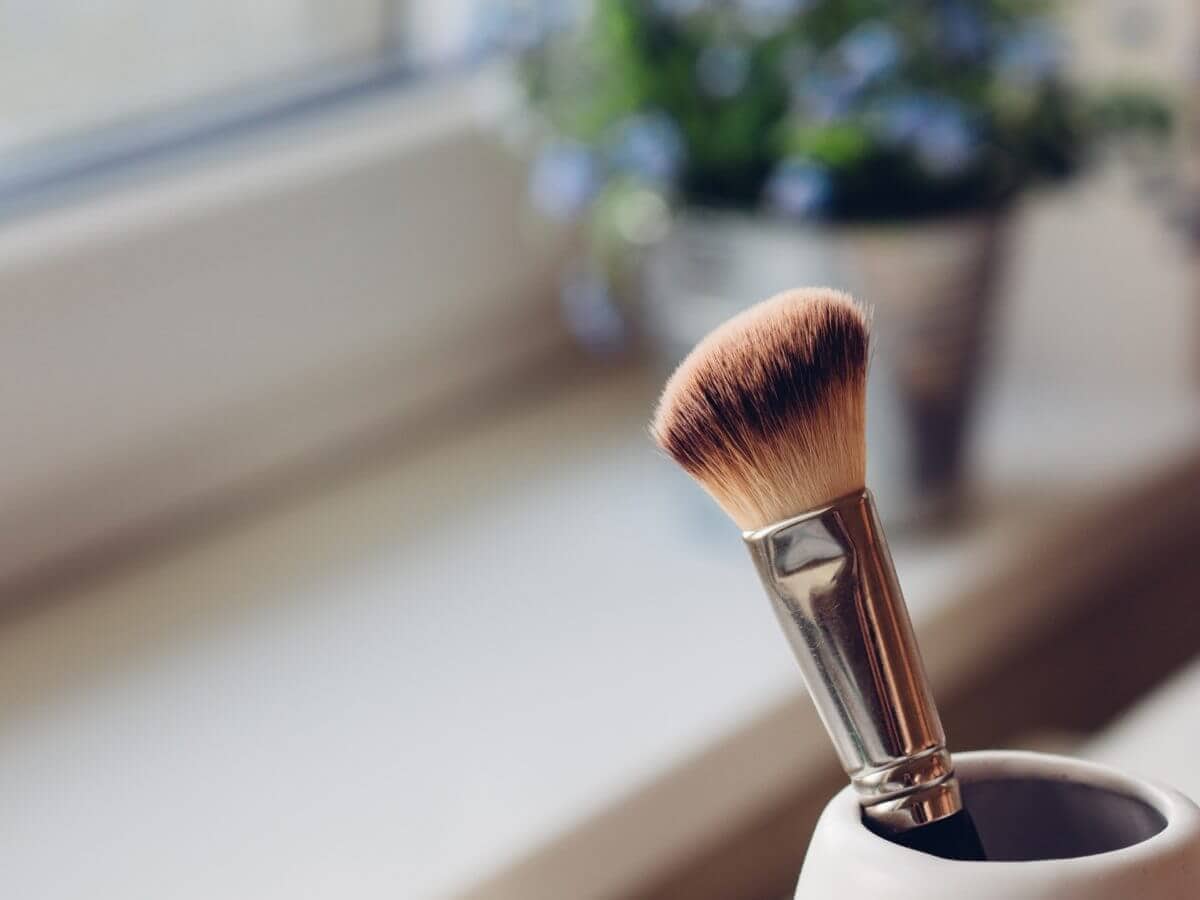
Organic or not, when brushes are dipped in makeup and powders, they
collect a whole host of product residues, skin oils and dead skin cells,
not to mention the dust that collects on them from sitting idle the
rest of the time.
You’ve likely seen brush cleaner products on the market. Many of them
are meant to be sprayed on after every use. While it is a quick, and
generally effective, way to clean your brushes, many of these products
contain harsh, dehydrating ingredients.
Greener, gentler options certainly exist. Here are a few you might like to try:
Do-It-Yourself Spray
In a clean, small spray bottle, mix one part of a plant extract like
tea tree oil and five parts witch hazel. Both have antibacterial,
anti-fungal and anti-inflammatory, as well as healing properties.
Spray the brushes making sure to spread the bristles to ensure you are reaching in between.
Use a clean cloth to gently dry the brushes in the direction the
bristles go. Lay them flat to dry so they will keep their shape. This
method will clean your brushes without drying them out while being kind
to your skin as well.
Deep Cleansing Shampoo
For a deeper cleaning, you will want to shampoo your
brushes—especially those used for creamy products like foundations,
lipstick, concealer or mascara.
Products like these harbor more bacteria than their dry, powdery
counterparts. For best results, fill a small bowl with a natural face
cleanser or castile soap (feel free to add a drop or two of the tea tree
oil to this formula too).
Gently immerse your brush and rub the bristles until makeup is
removed. Rinse each tool until the water runs clear, pat them dry,
reshape the bristles and lay them flat on a clean towel to dry.
Lemon Rinse
Here’s a way to clean your tools using items found in your kitchen!
Olive oil, apple cider vinegar, lemon slices, and warm water combine to
create a gentle, effective cleaner.
The lemons serve to neutralize odor while the olive oil keeps bristles from drying out. As an added bonus, vinegar and lemon both have antiseptic and antibacterial properties.
Prep
First, place just a few drops of olive oil on a cotton pad or clean
cloth. Use a light hand so as not to soak the bristle in oil. Wipe away
any surface dirt from the bristles. Caution: you may wish to add this
step sporadically to prevent brushes from becoming weighed down.
Rinse
Mix one cup of warm water with a tablespoon of vinegar. Squeeze in a
couple of thick slices of lemon using the juice, pulp and even the peel.
Dip in your brush and swish back and forth. Once you feel the brush
is clean, rinse until water runs clear. Part dry on a clean towel. If
you are noticing residue still coming off, repeat the process. Lay flat
to dry.
Whether you use one of the methods above or find another that works
for you, be sure to clean or replace your brushes on a regular basis to
maintain healthy skin.
Wrap Up
When you switch to organic skin care and cosmetic products, not only
are you saving your face from parabens and extra impurities, but you’re
helping the environment as well. Start following these tips for organic
makeup, and watch how your skin (and the earth) improves.
Source: https://greenerideal.com