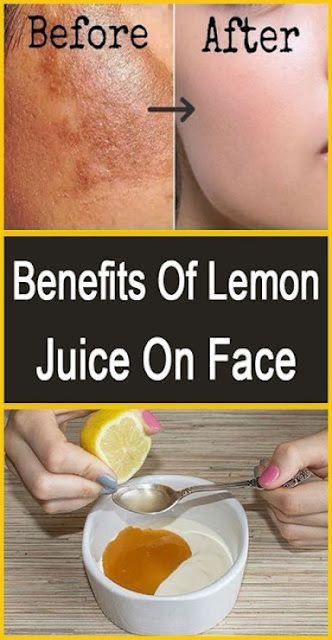
Have you ever wondered what were the magical ingredients that our grandmothers used to achieve healthy, glowing skin? Of course, they didn’t have too many skin care products unlike now. Instead, they relied on natural ingredients to take care of their skin.
Lemon is one such incredible natural ingredient that offers a plethora of benefits when applied to the skin. You can find it in different skincare products too. But is it safe to use on your face?
In this article, we tell you about the benefits of using lemon on your face, the side effects, and the best ways to use it.
Is It Good To Use Lemon On Your Face?
Lemon has a high acidic content and can be an effective solution to
brighten your skin tone, lighten dark spots, treat acne, prevent premature signs of aging,
among others. It is an age-old home remedy for different skin concerns.
However, lemon may cause side effects like burning sensation,
irritation, etc. on your skin, especially if you have sensitive skin.
So, consult your dermatologist before including lemon to your skincare
regime.
Did You Know?
Lemon has a bleaching effect when applied to the hair. When exposed
to the sun, it can further accelerate the process. So, lemon is used as a
natural hair lightening agent.
How To Use Lemon On Your Face?
A slice of lemon when rubbed on the skin surface gives an instant
rejuvenation due to its antioxidant properties. It works best when
combined with other natural ingredients like honey, sugar, and milk.
Honey and lemon for face and skin care are considered the best
combination for all skin types. To use it:
- Do a patch test. Take a cotton ball, add a few drops of lemon juice
to it and apply it to a small portion at the back of your hand. If your
skin absorbs the lemon juice well without any issue, then you may
continue using it. - You can also mix lemon with other natural ingredients like honey,
aloe vera, and sugar to get better results. Mix all the ingredients and
apply it once every 2 or 3 days. It is also absolutely safe to use once
daily. - If you have side effects, discontinue using it.
Benefits Of Using Lemon On Your Face
Lemon has certain properties that make it a wonderful ingredient in your skin care. They are:
1. Boost collagen production: Lemon is rich in Vitamin C that works wonders to prevent premature aging and limit skin damage. It also boosts collagen production that makes the skin look younger.
2. Natural astringent: Lemon is a natural
astringent. The presence of high pH levels in lemon juice helps lessen
oil on your skin and helps in reducing inflammation.
3. Antifungal: Lemon juice has antifungal properties that helps to treat fungal infection like Candida fungal rashes.
4. Skin lightening agent: Lemon juice is rich in
acids, primarily citric acid, lesser amounts of malic acid, and ascorbic
acid, commonly known as Vitamin C. Due to the rich acid content in
lemon, it has excellent skin lightening properties. Also, it is
effective to reduce age spots and dark spots.
5. Helps to get rid of acne: Lemon is a natural cure for blemishes.
The presence of high concentration of Vitamin C helps cure acne. The
drying effect of citric acid and its antiseptic properties kill bacteria
causing acne bursts. Lemon-derived products are thus highly recommended
for acne-prone skin.
Side Effects Of Using Lemon On Your Face
Too much of anything is not good and lemon is no exception. Know the side effects of lemon on your face before applying it.
1. Irritation on the skin: Applying lemon extracts
directly to the face often causes skin irritation due to its high acidic
properties. Skin irritation such as dryness, redness, peeling, and
flakiness are some of the common side effects. If you have sensitive skin, these symptoms can become severe.
2. Skin sensitivity to sunlight exposure: Exposure
to the sun right after applying any citrus fruit extract on the skin can
cause swelling, redness, and patches. This type of skin reaction under
the harmful influence of UV rays is known as Phyto photodermatitis. It
is common in areas where people experience great exposure to heat and
sun.
3. Increased risk of Leucoderma: Citric acid can
increase the chances of leucoderma. In this skin condition, large white
spots develop on the skin. Lemon, when applied directly, can increase
the risk.
4. Can cause sunburn: If you have sensitive skin,
avoid using lemon extracts directly on your face. It can help sun rays
penetrate better on the epidermis and cause sunburns.
What To Mix With Lemon For Your Face?

Image: Shutterstock
Lemon juice, combined with other natural elements, precisely Vitamin
E-enriched ingredients, can resolve your skin issues and help you
achieve healthy, beautiful skin. Here is a list of ingredients you can
mix with lemon to get visible results.
1. Honey and lemon for face: Mix 1 tsp of lemon
juice and honey each. Apply it on your face, leave for 10 to 15 mins to
allow your skin to soak it up and then wash away with water. This will
give you well-nourished and blemish-free skin.
2. Aloe vera and lemon for face: Take a fresh aloe
vera leaf and extract the gel. Mix it with 1 tsp of lemon juice. Apply
it to your face or other darker areas of your body and observe the
changes.
3. Milk and lemon for face: Mix 1 tsp of lemon juice with raw milk and apply to your face and neck area. It works well as a natural hydrator for dry skin.
4. Lemon and turmeric for face: This combination is
a well-known remedy in treating acne and other skin inflammation. Take 1
tsp of lemon juice and mix turmeric powder to make a smooth paste.
Apply it to your face, let it dry, and wash off.
5. Lemon peel powder: Not just lemon juice, but
lemon peel is also good for your facial skin. Dry fresh lemon peels
under the sun and churn it into a powder. Mix it with a few drops of
rose water and make a paste. Apply it on your face evenly and let it
dry. Wash off after 15 minutes.
6. Egg white and lemon for face: Squeeze the juice
of half a lemon. Mix it with one egg white. Whisk both the ingredients
until it turns frothy. Clean your face and apply the mixture with a
brush. Let it dry and wash with cold water.
7. Aloe vera with lemon for face: Take 8 tsp of
aloe vera and mix it with 1 tsp of lemon juice. Form a thick paste and
apply it to your clean face. Allow it to dry and then rinse well.
Remember, to avoid the areas around the eyes while applying it.
8. Lemon and coffee mask for face: Mix one tbsp of
coffee powder with one tbsp of lemon juice. Mix to make a paste with
uniform consistency. Apply it evenly on your face and let it dry for
10-15 minutes. This face mask works great in removing tan marks.
What Not To Mix With Lemon For Your Face?
You must not mix citric fruits like lemon with other acidic
ingredients in your skincare regime. The pH level of lemon is 2. It is
acidic in nature and when combined with other ingredients having high
acidic properties, it might lead to skin damage. Redness, rashes,
irritation, and hyperpigmentation can occur when it’s paired with other
ingredients.
1. Tomato and lemon for face: Tomato has a high
citric acid content. When mixed with citric fruit like lemon, it causes
skin dryness and other skin conditions.
2. Curd and lemon for face: Lactic acid and citric acid do not go well, primarily with facial skin treatment. So avoid mixing them.
Note:
If you notice skin irritation, redness, or burning sensation on your
skin, consult your dermatologist. Also, if you have any specific skin
conditions, you should consult your doctor before using lemon on your
skin.
Wrapping Up
Using natural ingredients for the skin is always better than using
skin care products loaded with harmful chemicals. However, there are
pros and cons of natural ingredients too. Lemon is not an exception when
used as a skincare ingredient. While it is good as an antioxidant or
skin lightening agent and prevents premature aging, using it on your
face may cause skin irritation or other skin sensitivities. Consult a
doctor if you see signs of redness or irritation after using lemon on
your face.
Referecnce:
1. Citrus limon (Lemon) Phenomenon—A Review of the Chemistry,
Pharmacological Properties, Applications in the Modern Pharmaceutical,
Food, and Cosmetics Industries, and Biotechnological Studies – January
2020.
https://www.ncbi.nlm.nih.gov/pmc/articles/PMC7020168/
2. Lemon peel – a natural medicine – October 2019
https://www.researchgate.net/publication/338362305_Lemon_Peel_A_Natural_Medicine
3. Skin Lightening Effect of the Dietary Intake of Citrus Peel Extract Against UV-Induced Pigmentation – June 2019
https://journals.sagepub.com/doi/full/10.1177/1934578X19859979
4. Citrus Peel Use Is Associated With Reduced Risk of Squamous Cell Carcinoma of the Skin – 2000
https://citeseerx.ist.psu.edu/viewdoc/download?doi=10.1.1.474.6523&rep=rep1&type=pdf
5. Evaluation of Skin Anti-aging Potential of Citrus reticulata Blanco Peel – September 2016
https://www.ncbi.nlm.nih.gov/pmc/articles/PMC4908842/
6. Antioxidant and anti-ageing activities of citrus-based juice mixture – March 2016
https://pubmed.ncbi.nlm.nih.gov/26471635/
7. Antimicrobial and antioxidant efficacy of Citrus limon L. peel
extracts used for skin diseases by Xhosa tribe of Amathole District,
Eastern Cape, South Africa – January 2016
https://www.sciencedirect.com/science/article/pii/S0254629915003610
8. Citrus Flavonoids with Skin Lightening Effects – Safety and Efficacy Studies – December 2010
https://www.researchgate.net/publication/281436622_Citrus_Flavonoids_with_Skin_Lightening_Effects_-_Safety_and_Efficacy_Studies
9. A LINK BETWEEN CITRUS AND SKIN CANCER? – August 2015
https://healthcare.utah.edu/healthfeed/postings/2015/08/082415_orange.juice.php
10. The association between citrus consumption and melanoma risk in the UK Biobank – March 2021
https://onlinelibrary.wiley.com/doi/10.1111/bjd.19896